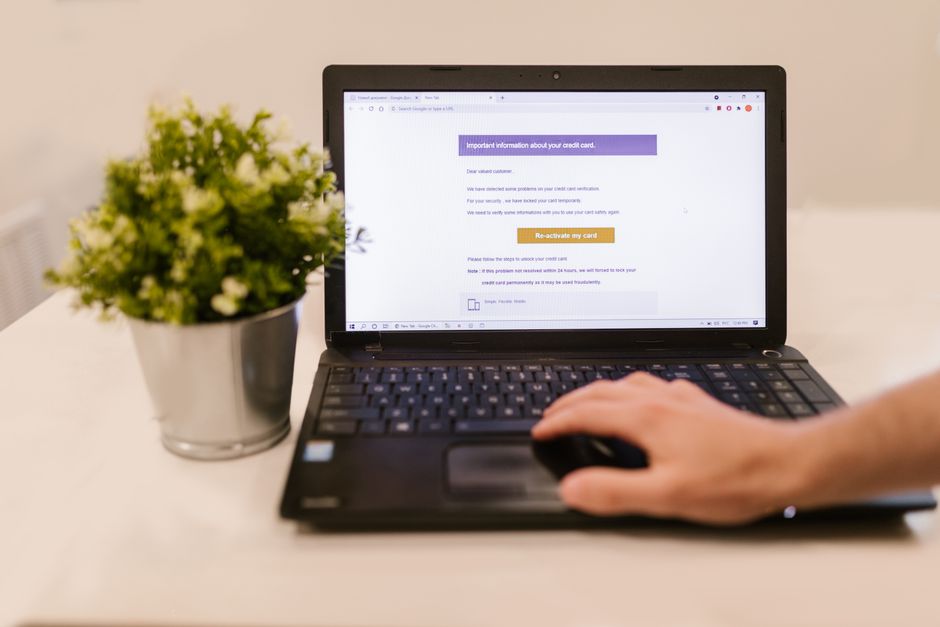
A subject line earns attention by making a relevant, truthful promise to the right recipient. It cannot rescue a poor list, damaged sender reputation, irrelevant offer, or message that lands in spam. Open tracking is also distorted by privacy protections and image preloading, so the winning line should ultimately improve clicks, replies, conversions, or retained subscribers—not only reported opens.
What a strong subject line does
| Element | Effective approach | Risky approach |
|---|---|---|
| Relevance | Connect to a known need, event, or behavior | Generic urgency sent to the whole database |
| Specificity | Name the outcome, item, date, or useful detail | Vague curiosity with no payoff |
| Trust | Match the sender, body, landing page, and offer | Misleading “Re:†prefixes or fake account alerts |
| Length | Put meaningful words early and test on mobile | Writing to an arbitrary character rule |
| Personalization | Use reliable context such as product or role | Broken first names or inferred sensitive traits |
| Urgency | Use a real deadline or limited condition | Repeating “last chance†for a perpetual sale |
| Testing | Test one hypothesis on a sufficient random sample | Declaring a winner from a tiny list |
Start with the message, not word tricks
Write the email’s single purpose in plain language. If the body asks readers to register for a webinar, the subject should identify the relevant topic, benefit, or date. If the email is a receipt, security notice, or service interruption, clarity outranks creativity.
Segment before drafting. A new subscriber, active customer, lapsed buyer, event attendee, and trial user have different context. “Complete your workspace setup†is relevant to an unfinished trial but confusing to a newsletter reader. Behavior-based relevance usually matters more than inserting a first name.
Confirm the sender identity and preview text at the same time. The From name answers who is speaking, the subject earns the open, and preview text adds a second line of context. Do not repeat the subject verbatim in the preheader.
Useful subject-line patterns
Direct benefit
State a credible result: “Cut month-end reconciliation errors with this checklist.†The body must provide the checklist and explain the limits. Avoid absolute promises such as “eliminate every error†unless they can be proven.
Specific resource
Name what the reader receives: “2026 payroll calendar: downloadable dates.†Specific nouns reduce uncertainty and work well for guides, templates, reports, tools, and event recordings.
Timely reminder
Use a real date or state: “Your trial ends Friday—export your projects.†The reader should understand the consequence and action. Time zones and account status must be correct.
Question tied to a problem
“Still reconciling Stripe payouts by hand?†can work when the segment plausibly experiences that problem. Rhetorical questions become spammy when they exaggerate fear or pretend to know private circumstances.
Curiosity with a complete payoff
“The checkout field causing mobile drop-off†creates an information gap while identifying the topic. Avoid empty teasers such as “You won’t believe this,†which erode trust and provide little filtering value.
Personal or editorial voice
A newsletter can use a distinctive phrase that regular readers recognize. Consistency between author, subject, and content matters. Do not imitate a personal reply or use “Fwd:†when the message is a marketing broadcast.
Length, punctuation, emojis, and capitalization
There is no universal winning length. Mobile clients truncate at different points depending on device, font, sender name, and interface. Put the essential meaning in the first words and send test messages to real devices. A concise subject is useful when the message is simple; a longer subject can qualify a niche audience more effectively.
Sentence case is usually easier to read than all capitals. One intentional punctuation mark is enough. Mailchimp warns that excessive punctuation and special characters can resemble spam. Spam filters use many signals, so a single word does not automatically condemn a message, but sensational formatting is bad for human trust.
An emoji can convey category or tone, but rendering and interpretation vary. Test it across clients, never substitute it for a key word, and consider accessibility. Use emojis consistently with brand voice rather than adding one to every campaign.
Personalization without the mistakes
Reliable contextual personalization includes product owned, membership status, local event, stated role, content requested, or a completed action. “Your Acme Pro renewal options†can be helpful to an actual Acme Pro subscriber.
First-name tokens fail when the database contains blanks, initials, profanity, or incorrectly parsed values. Set a natural fallback and preview several records. Avoid using sensitive health, financial, political, or inferred personal attributes in a subject line; they can be intrusive and legally risky.
Dynamic subject lines need deterministic rules. Document which field controls the variant, when it was updated, and what happens when the value is missing. Test every branch before sending.
A/B testing that produces a useful answer
Write a hypothesis, such as “A specific resource description will generate more qualified clicks than a curiosity-led line among active subscribers.†Change only the subject line. Keep sender, preheader, content, segment, and send time constant.
Randomly split a sufficient audience. Tiny lists produce unstable winners, and choosing after the first few opens exaggerates chance. Mailchimp and other platforms can test subject, From name, content, or send time, but changing several variables prevents a clean conclusion unless the experiment is designed for it.
Because privacy systems inflate opens, use a hierarchy of outcomes. Check delivered messages and complaints first, then machine-filtered unique clicks, landing-page sessions, conversions, revenue, replies, and unsubscribes. For a newsletter whose primary value is reading in the inbox, combine opens with click, reply, survey, and retention evidence.
Avoid automatic winner sends when the sample is too small or the difference is trivial. Predefine test duration and minimum sample. Record the audience, variants, result, confidence, and what will change next.
Deliverability still controls access
Authenticate the sending domain with SPF and DKIM and publish a DMARC policy appropriate to the rollout. Follow Gmail and other mailbox-provider sender guidelines, including requirements for bulk senders. Maintain easy unsubscribe, honor opt-outs promptly, and send only to people with a lawful and expected relationship.
Remove invalid addresses, suppress hard bounces and complaints, and monitor domain reputation. Do not purchase lists. Gradually establish volume on new infrastructure and separate transactional mail from promotional programs where architecture and policy call for it.
The subject must accurately describe the message. Deceptive account warnings, fake replies, and fabricated urgency may produce short-term opens while increasing complaints and legal risk.
A repeatable writing process
Draft ten options across direct, resource, question, deadline, and curiosity patterns. Remove any line that could mislead when seen without the body. Put the most meaningful nouns and verbs early. Pair each candidate with preview text.
Score relevance, specificity, credibility, differentiation, and mobile clarity from one to five. Keep the top three, then ask someone outside the campaign to predict what the email contains. If the prediction is wrong, rewrite.
Send proofs to Gmail, Outlook, Apple Mail, and the important clients in the audience. Check sender name, truncation, encoding, personalization, emoji, and preheader. Confirm the landing page and offer match the promise.
Verdict
The best subject line is specific, expected, and honest: it helps the intended reader decide whether the message is worth attention. Direct benefits and clearly named resources are dependable starting patterns; urgency and personalization should be used only when supported by real data.
Write several variants, test one meaningful hypothesis, and choose the winner using downstream behavior rather than privacy-distorted opens alone. Improve list quality and deliverability before chasing clever wording—the inbox cannot reward a message it never accepts.