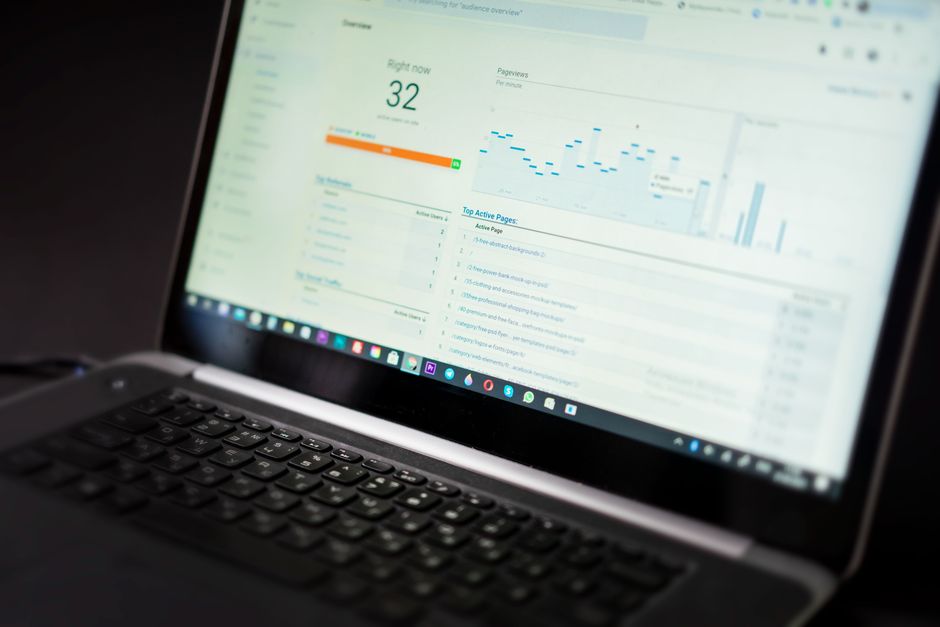
Backlink tools maintain independent crawlers and indexes, so they disagree about discovered links, first-seen dates, authority metrics, and estimated traffic. No database is complete and no proprietary score is a Google metric. Professionals should choose based on freshness, filters, history, exports, API access, competitor workflow, and how often the data changes an outreach or technical decision.
Ten tools compared
| Tool | Best for | Distinctive strength | Main limitation |
|---|---|---|---|
| Ahrefs | Deep competitive link research | Strong Site Explorer workflow and historical filtering | Professional limits and pricing require modeling |
| Semrush | All-in-one SEO teams | Backlink Analytics, Gap, Audit and broader marketing suite | Packaging can be expensive and complex |
| Majestic | Link specialists | Historic/Fresh indexes, Trust Flow, Citation Flow and topical context | Less complete general SEO workflow |
| Moz Link Explorer | Accessible authority analysis | Domain Authority, Spam Score and familiar reporting | Less granular than specialist-heavy workflows |
| SE Ranking | Value-focused agencies | Backlinks beside rank tracking, audit and client reporting | Smaller or less granular link workflow than leaders |
| SISTRIX | European and enterprise SEO teams | Visibility data connected with link research | Cost and regional fit vary |
| Lumar | Enterprise technical programs | Link and crawl intelligence within governance workflows | Sales-led enterprise pricing |
| LinkResearchTools | Link-risk and specialist audits | Combines multiple data sources and risk-oriented analysis | Expensive and complex for routine prospecting |
| Google Search Console | Owned-site confirmation | Links Google chooses to report for verified properties | Sampled, limited and no competitor access |
| Bing Webmaster Tools | Additional owned-site evidence | Free Bing-oriented backlink and site reporting | Not a full competitive link index |
1. Ahrefs
Ahrefs Site Explorer provides backlink and referring-domain reports, anchors, linked pages, new and lost history, broken backlinks, link intersections, and detailed filters. Batch Analysis and Content Explorer support prospecting, while alerts and historical views help monitor campaigns and migrations.
It is the strongest default for an agency or in-house link team because investigation is fast and connected to organic keywords and top pages. The drawbacks are cost, user and export limits, and evolving credit rules. Check the live 2026 plan structure and model normal usage.
2. Semrush
Semrush Backlink Analytics profiles domains and URLs, while Backlink Gap finds referring domains linking to competitors. Backlink Audit organizes potentially problematic links, and link-building workflow features connect prospects with outreach. The surrounding keyword, traffic, content, AI visibility, and technical tools make Semrush attractive to multidisciplinary teams.
Its breadth creates subscription complexity. Confirm which toolkit contains the required feature and what projects, exports, users, API units, and history are included. A toxicity label is a prompt for review, not a reason to disavow automatically.
3. Majestic
Majestic is dedicated to links. Fresh and Historic indexes, Trust Flow, Citation Flow, Topical Trust Flow, Link Context, Clique Hunter, and Link Graph give specialists different ways to analyze authority, themes, neighborhoods, and relationships.
Topical context is useful when relevance matters more than a single domain score. The interface and metrics require education, and Majestic does not replace a complete keyword or site-audit suite. It fits teams that already understand link graphs and need specialist depth.
4. Moz Link Explorer
Moz offers Link Explorer with Domain Authority, Page Authority, Spam Score, linking domains, anchors, discovered and lost links, and link-intersect functions. MozBar makes quick browser inspection convenient. The workflow is accessible to consultants and clients familiar with DA.
DA is a comparative Moz metric, not an approval stamp. A relevant new publication can have low DA, while a high-DA page can sell irrelevant links. Moz is a good approachable suite but may not satisfy teams needing Ahrefs-level filtering and history.
5. SE Ranking
SE Ranking combines Backlink Checker and monitoring with rank tracking, site auditing, competitor analysis, reporting, and agency features. Its 2026 plan structure includes Core, Growth, and Enterprise-style packaging, with limits by subscription. It is a cost-conscious option for agencies needing a broad platform.
Its link index and filtering should be tested against the team’s market and known links. It may lag leaders on specialist granularity, but lower total cost can outweigh that gap when backlink work is one part of a broader service.
6. SISTRIX
SISTRIX is known for visibility measurement, particularly in European markets, and provides link analysis alongside keyword, competitor, and site data. It is useful for teams already using its Visibility Index to diagnose search movements.
The platform’s value depends on country coverage, modules, and enterprise needs. A US-only small business may obtain simpler value elsewhere. Test regional databases and exports with actual clients.
7. Lumar
Lumar, formerly Deepcrawl, targets enterprise technical SEO and website intelligence. Link-related insight is connected to internal architecture, crawl governance, monitoring, and large-site workflows rather than acting only as an outreach database.
It suits organizations with millions of URLs, release controls, multiple stakeholders, and requirements for dashboards or integrations. Sales-led pricing and implementation make it excessive for a small link-building team.
8. LinkResearchTools
LinkResearchTools focuses on advanced link audits, competitive research, link detoxification, and risk analysis by combining data sources and proprietary signals. It can help specialists investigate complex historical profiles, penalties, acquisitions, or aggressive legacy campaigns.
The methodology and risk scores require expert interpretation. Automated classification can produce false positives, and unnecessary disavow files can remove beneficial signals. Use it for exceptional cases where specialist time and business risk justify the price.
9. Google Search Console
Search Console’s Links report shows top linked pages, top linking sites, and top linking text for verified properties. It is free and confirms a subset of links Google chooses to expose. It is useful during migrations and for checking whether major earned links appear.
The report is not designed as a complete export and may fluctuate or lag. It offers no competitor profiles. Preserve periodic exports and pair it with a commercial index.
10. Bing Webmaster Tools
Bing Webmaster Tools provides free reports for verified sites, including backlink-oriented data and other search diagnostics. It adds another search engine’s perspective and can surface links or issues not obvious in Google’s interface.
Its competitive depth and ecosystem are smaller than specialist products. Use it as complementary first-party evidence rather than the main link intelligence platform.
How to evaluate backlink quality
Open the source page. Confirm it is indexed or discoverable, editorially maintained, topically relevant, and written for real readers. Identify the exact link, surrounding sentence, anchor, destination, follow/nofollow or sponsored attributes, and reason it exists.
Review domain ownership, language, geography, outbound-link patterns, traffic trend, content quality, and signs of compromise. Sitewide footer links, hidden links, spun posts, irrelevant guest-post networks, and paid placements without appropriate qualification deserve scrutiny.
Separate link value from link risk. A link can send valuable referral customers even when authority metrics are modest. A high-scoring domain can be irrelevant or manipulated. Use multiple metrics as filters, never verdicts.
Professional workflows
For competitor prospecting, compare three true search competitors and find domains linking to two or more. Classify the reason for each link and design a legitimate asset or relationship. For a migration, export important linked URLs and ensure redirects lead to the most relevant new destinations.
For monitoring, track new and lost referring domains, changes to high-value pages, and campaign placements. Verify losses before outreach; crawlers can temporarily miss a page. Maintain an earned-link ledger with source, target, date, owner, relationship, and result.
For risk review, investigate manual actions, documented manipulative campaigns, sudden patterns, and clearly controlled paid links. Google’s disavow tool is advanced and potentially harmful; use it only with strong evidence and appropriate expertise.
Verdict
Ahrefs is the best dedicated all-round backlink platform, Semrush is strongest for a team wanting links inside a broad marketing suite, and Majestic is the specialist’s link-graph choice. Moz and SE Ranking provide more accessible value. Search Console and Bing Webmaster Tools should be enabled for every owned property.
Test two paid tools against twenty known links and five competitors before signing annually. Choose the database and workflow that helps the team qualify opportunities accurately, then judge links by editorial relevance and business value—not a single authority score.